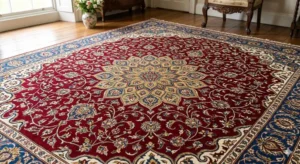
Shah Abbasi
Shah Abbasi Medallion: Persian Rug Motif The Shah Abbasi Medallion is one of the most prestigious and recognizable motifs in Persian carpet weaving. Named after the Safavid ruler Shah Abbas…

Shah Abbasi Medallion: Persian Rug Motif The Shah Abbasi Medallion is one of the most prestigious and recognizable motifs in Persian carpet weaving. Named after the Safavid ruler Shah Abbas…
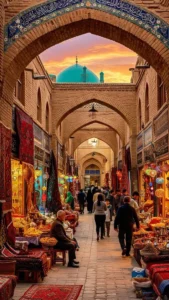
The Iron Rug of Persia: The Story of Bijar and Its Woven Fortresses In the world of fine textiles, most rugs are admired for their softness or the delicate drape…
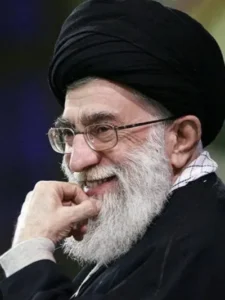
The Truth Behind the News: An Update on My Home CountryTo all my dear friends and customers: First and foremost, I want to say a heartfelt thank you. Your messages,…
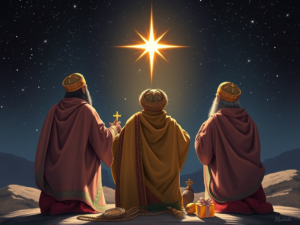
Merry Christmas!It’s a wonderful time of year to explore the deep history and beautiful traditions that connect different cultures across the globe. The story of the Magi, or the Three…
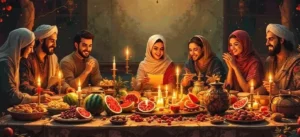
Celebrating the Triumph of Light Over Darkness As the winter solstice approaches, millions of people around the world—particularly in Iran and neighboring regions—prepare for one of the most ancient and…
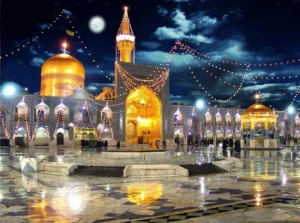
Persian Carpet Mashad: A Tale of Elegance and Heritage Persian carpets are renowned worldwide for their intricate designs, exceptional craftsmanship, and rich history. Among these treasures, the carpets from Mashad…
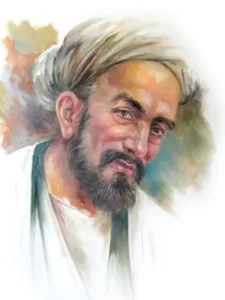
Saadi Shirazi, a 13th-century Persian poet, offers timeless wisdom through his notable works, Bustan and Golestan. His insightful reflections on humanity, morality, and interconnectedness resonate across cultures. Emphasizing empathy and compassion, Saadi's teachings provide guidance for modern challenges, making his poetry an enduring source of inspiration and clarity.
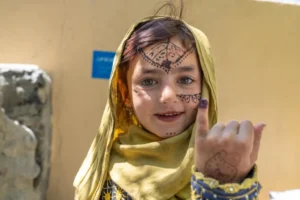
Discover the Enduring Spirit: Handcrafted Afghan Rugs While our name celebrates the rich tradition of Persian carpets, we are proud to extend our curated collection to include the distinctive and…
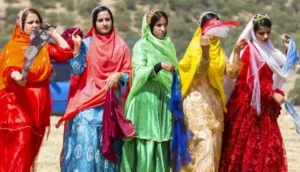
Bakhtiari Rugs: A Tapestry of Tribal Heritage and Enduring Beauty Nestled in the southwestern mountains of Iran, the Bakhtiari people are renowned for their fiercely independent spirit, their nomadic traditions,…
respect my Persian Tabriz! 😠 https://youtube.com/shorts/-yrtwGjp-T8?feature=share
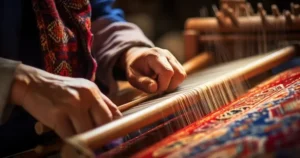
Wool on cotton rugs are made using a weaving technique that combines wool fibers for the pile (the top fuzzy part of the rug) and cotton threads for the foundation…
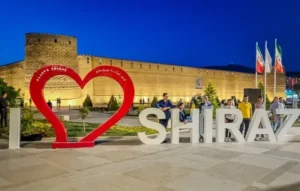
Shiraz rug story Shiraz, a city steeped in history and renowned for its poetry, gardens, and exquisite wines, also boasts a rich tradition of rug weaving. These carpets, known as…
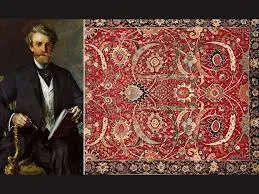
The Clark Sickle-Leaf Carpet is the most expensive Persian carpet ever sold, fetching $33.7 million at a 2013 Sotheby's auction, far surpassing its $10 million estimate. Its value stems from its 17th-century rarity, unique sickle-leaf design, and historical significance, representing the legacy of Persian rug craftsmanship and artistry.
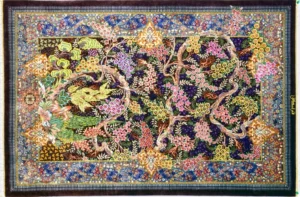
Qum rugs, originating from Qum, Iran, boast a rich history dating back to the 16th century. Initially wool-centric, silk production thrived under the Safavid dynasty, resulting in exquisite designs and high knot density. Valued for their luxurious materials and vibrant colors, these rugs symbolize Persian craftsmanship and cultural heritage, making them cherished heirlooms.
Premium Persian Carpets offers a fine selection of Persian and Oriental rugs, including mats, kilims, and runners. Their curated collection emphasizes superior quality, craftsmanship, and a range of styles. Located in Stellenbosch, they ensure timeless elegance for any space. Contact them online or visit their store for exquisite rug choices.

Persian rugs are expensive due to their hand-knotting artistry, heritage weaving techniques, high-quality natural materials, and intricate designs with deep symbolism. These rugs are luxurious, durable, collectible, and appreciate over time, representing valuable investments in aesthetics and cultural heritage. Tips for buying include research, budgeting, ensuring seller authenticity, and matching home decor.
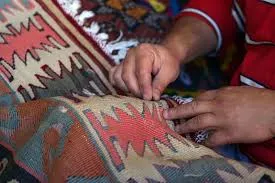
Kilims are ancient handwoven tapestries originating from the Persian Empire, including modern-day Iran and the Balkans. Dating back to the 4th century AD, these flat-woven rugs are renowned for their geometric patterns and cultural significance. Evolving over centuries, they remain a vibrant art form, with modern kilims blending traditional craftsmanship and contemporary design, celebrating a legacy that has gained global recognition.
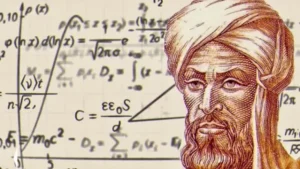
Al-Khwarizmi was a Persian polymath who made foundational contributions to mathematics by writing the seminal text on algebra, introducing the Hindu-Arabic numeral system to the West, and conceptualizing algorithms. He also advanced astronomy and geography, thus significantly impacting scientific progress during the Islamic Golden Age.
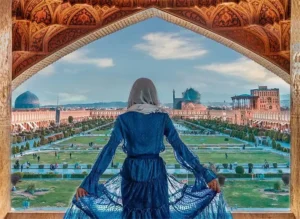
Isfahan rug story A Glimpse into Persian Artistry The history of Isfahan rugs is a fascinating journey that takes us back to the early 16th century, a time when the…
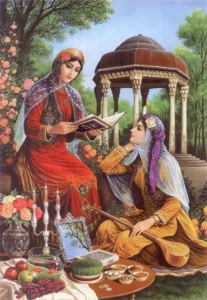
Nowruz, the ancient Persian New Year celebrated for over 3,000 years, marks the arrival of spring and the first day of the Iranian calendar. Stemming from Zoroastrian traditions, this holiday signifies triumph over darkness, bringing together 300 million people globally. It features springtime festivities, family gatherings, and cultural practices steeped in myth and symbolism.
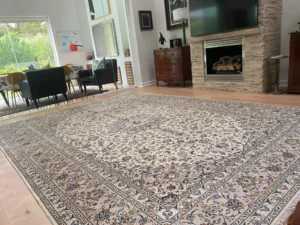
Nain rug story A City of Biblical Significance and Exquisite Persian rugs Nain, a small town with a big historical and cultural significance, holds a special place in both biblical…
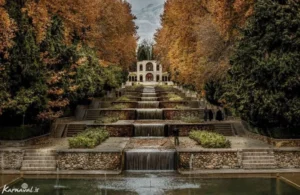
Kerman rugs, known for their intricate floral and medallion designs, originate from Kerman, Iran, with a history dating back to the 15th century. Renowned for their unique weaving techniques and vibrant colours, these carpets evolved through various centuries, adapting to artistic trends while preserving their distinct elegance and craftsmanship, still valued today.
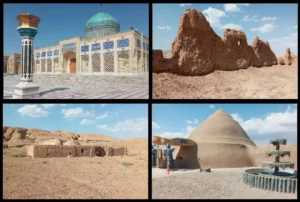
Kashmar is a city in, and the capital of, the Central District of Kashmar County, Razavi Khorasan province, Iran. Kashamr rugs are known to what heaven looks like. They are…
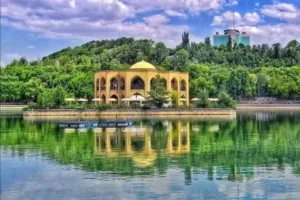
Tabriz rugs are a renowned category of Persian carpets from Tabriz, Iran, known for their rich heritage and diverse designs. With knot densities ranging from 24 to 110 raj, they embody exceptional craftsmanship using high-quality materials. Prominent producers continue this tradition, highlighting Tabriz's significance in global carpet making and cultural identity.
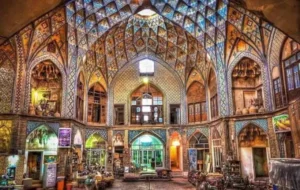
The Kashan rug embodies a rich cultural heritage from Iran’s ancient city of Kashan, renowned for its intricate designs and high-quality craftsmanship. Originating during the Safavid Dynasty, these hand-knotted rugs feature floral patterns and vibrant colours. Today, they remain significant artistic pieces, symbolising status and artistic appreciation across generations.
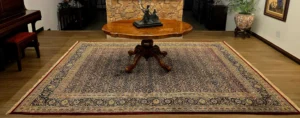
Customers praise Premium Persian for outstanding service, quick delivery, and a wide range of beautiful carpets. Many highlight the helpfulness of Amir and his team, noting hassle-free exchanges and a strong commitment to customer satisfaction. Overall, customers express high levels of satisfaction, recommending the store for its excellent quality and service.