Merry Christmas!
It’s a wonderful time of year to explore the deep history and beautiful traditions that connect different cultures across the globe.
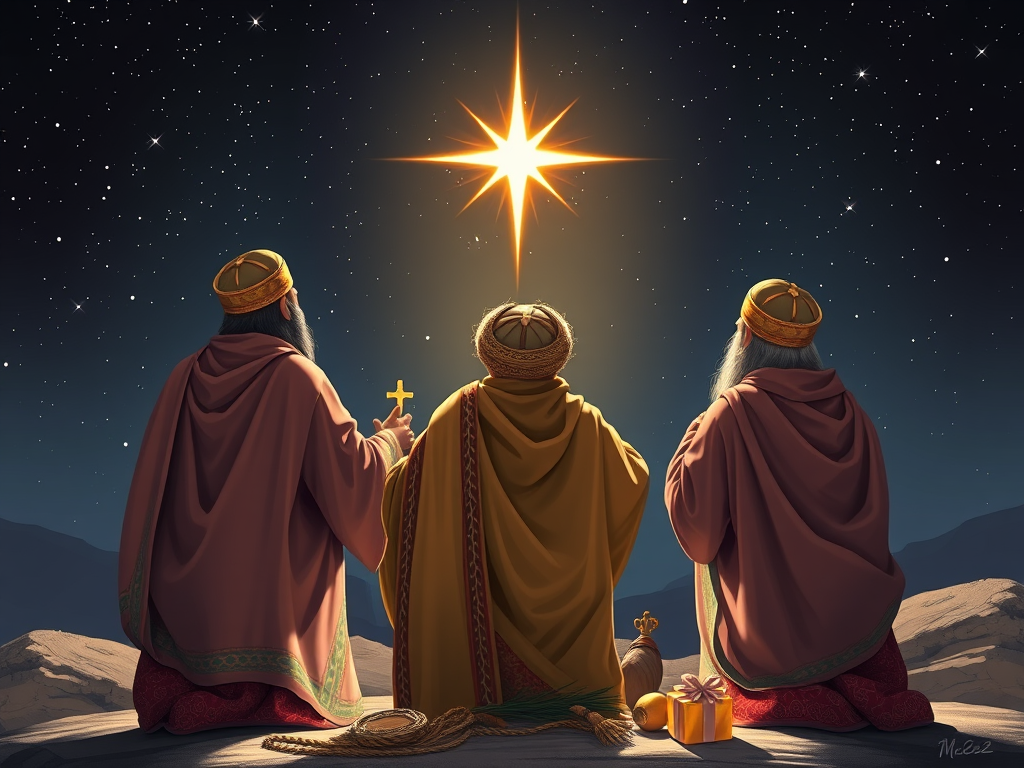
The story of the Magi, or the Three Wise Men, provides a fascinating link between the Nativity and ancient Persian culture.
The Persian Connection: Who Were the Magi?
While many traditions refer to them simply as “Kings,” the term Magi (from the Old Persian word maguŝ) specifically points to a priestly caste from the Persian Empire. Here is how their Persian heritage shaped the Christmas story:
Astronomical Experts: The Magi were scholars of the stars. In ancient Persia, the study of the heavens was a sacred science. Their ability to identify the “Star of Bethlehem” aligns perfectly with the Persian tradition of tracking celestial events to signal the birth of a great ruler.
The Zoroastrian Link: Many historians believe the Magi were followers of Zoroastrianism. Their scriptures spoke of a future “Saoshyant” (a savior/bringer of benefit), which is why they would have been motivated to travel west to find the newborn King.
The Royal Gifts: The gifts they brought—Gold, Frankincense, and Myrrh—were the standard offerings for a King in the Persian court.
Gold represented royalty.
Frankincense represented divinity and priesthood.
Myrrh represented mortality (used in anointing).
The Spirit of Christmas
Christmas today is a tapestry woven from these ancient stories and modern traditions of warmth and generosity. It is a season defined by:
Light in the Darkness: Much like the Star that guided the Persian Magi, we use lights, candles, and trees to celebrate hope during the darkest days of winter.
The Art of Giving: The tradition of gift-giving traces its roots directly back to the Magi’s arrival at the manger. It reminds us that the best gifts aren’t about price, but about the wisdom and love behind them.
Universal Connection: The presence of the Magi in the Nativity story is significant because it represents the “world” coming together. It shows that the message of Christmas was intended for everyone, regardless of where they came from.
Fun Fact: Persian Influence in Art
In many of the oldest Christian mosaics (like those in Ravenna, Italy), the Three Wise Men are actually depicted wearing Phrygian caps and colorful, patterned trousers—the traditional attire of Persian noblemen