Exploring the Timeless Wisdom of Saadi
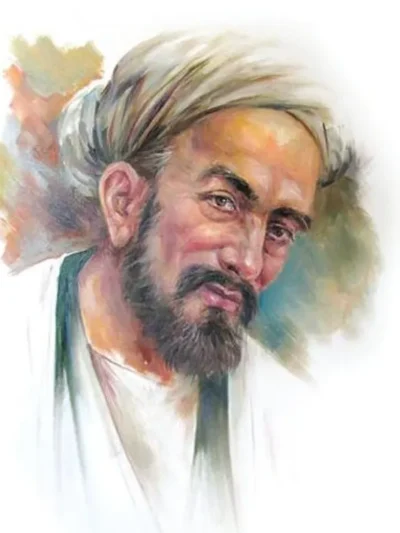
In the vast tapestry of Persian literature, few names shine as brightly as Saadi Shirazi, a 13th-century poet, writer, and thinker whose works continue to resonate across cultures and centuries. Saadi’s profound insights into humanity, morality, and the nature of life have earned him a place among the literary giants of the world. His words, often simple yet deeply meaningful, have the power to touch hearts and inspire minds.
Who Was Saadi?
Born in Shiraz, Persia (modern-day Iran), Saadi lived during a time of great upheaval, marked by the Mongol invasions and political turmoil. Despite these challenges, he traveled extensively throughout the Middle East, North Africa, and even parts of Asia. These journeys exposed him to diverse cultures, philosophies, and ways of life, all of which enriched his understanding of humanity and shaped his poetic voice.
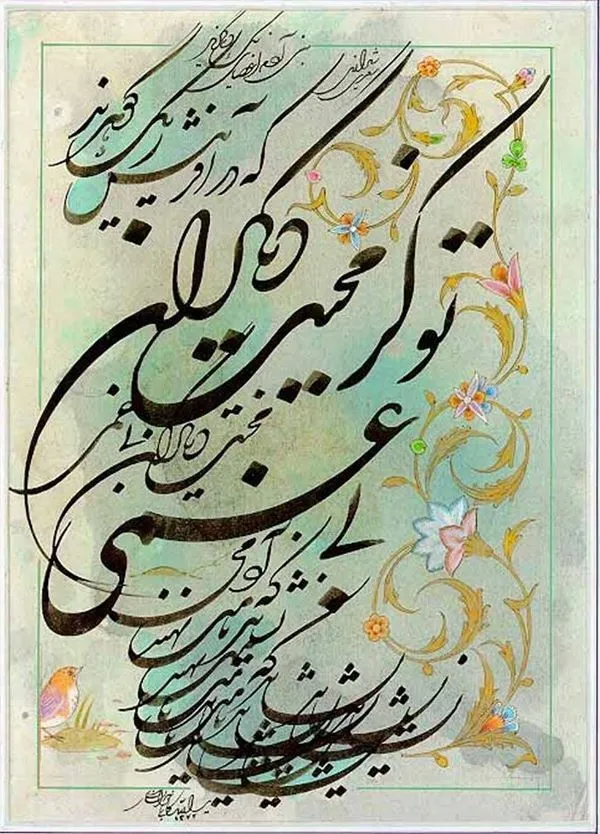
Saadi’s two most famous works are Bustan (The Orchard) and Golestan (The Rose Garden). Both are masterpieces of Persian literature and serve as treasure troves of wisdom, offering reflections on ethics, governance, love, and spirituality. His ability to weave moral lessons into compelling stories and verses has made his writings timeless.
The Universal Appeal of Saadi’s Teachings
One of Saadi’s most famous lines comes from Golestan:
“Human beings are members of a whole, In creation of one essence and soul. If one member is afflicted with pain, Other members uneasy will remain.”
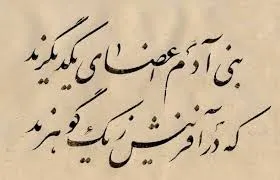
This verse captures the essence of Saadi’s worldview: the interconnectedness of humanity. His words remind us that empathy and compassion are not just moral virtues but essential for the survival and flourishing of society. This sentiment transcends cultural and temporal boundaries, making Saadi a poet for all people and all times.
Lessons for Modern Times
In an era marked by division and discord, Saadi’s teachings feel especially relevant. His emphasis on kindness, humility, and understanding serves as a beacon for those seeking harmony in a fractured world. Whether it’s his advice on leadership in Bustan or his reflections on love and friendship in Golestan, Saadi’s works offer guidance that is both practical and philosophical.
For instance, in Bustan, he writes about the qualities of a good ruler: justice, wisdom, and compassion. These principles are not only applicable to governance but also to everyday interactions in our personal and professional lives.
Why Read Saadi Today?
Reading Saadi is like stepping into a serene garden where every flower offers a new perspective on life. His words are not just poetry; they are mirrors that reflect our own humanity back to us. Whether you’re seeking solace during difficult times or looking for inspiration to lead a more meaningful life, Saadi’s works provide an endless source of wisdom.
In addition to his moral teachings, Saadi’s writing is celebrated for its beauty. His mastery of language—rich with metaphor, imagery, and rhythm—makes his poetry a delight to read. Even in translation, the elegance of his verses shines through.
Conclusion
Saadi Shirazi is more than a poet; he is a philosopher, a storyteller, and a guide whose wisdom transcends centuries. His works remind us of the enduring power of words to heal, unite, and inspire. As we navigate the complexities of modern life, turning to Saadi can offer clarity and comfort, helping us reconnect with the values that truly matter.
So why not take a moment to explore the world of Saadi? Open Golestan or Bustan, and let his timeless wisdom enrich your soul. In the words of Saadi himself:
“A garden is delightful when it contains roses.”
Perhaps we can all find our own roses in the garden of his poetry.