Bakhtiari Rugs: A Tapestry of Tribal Heritage and Enduring Beauty
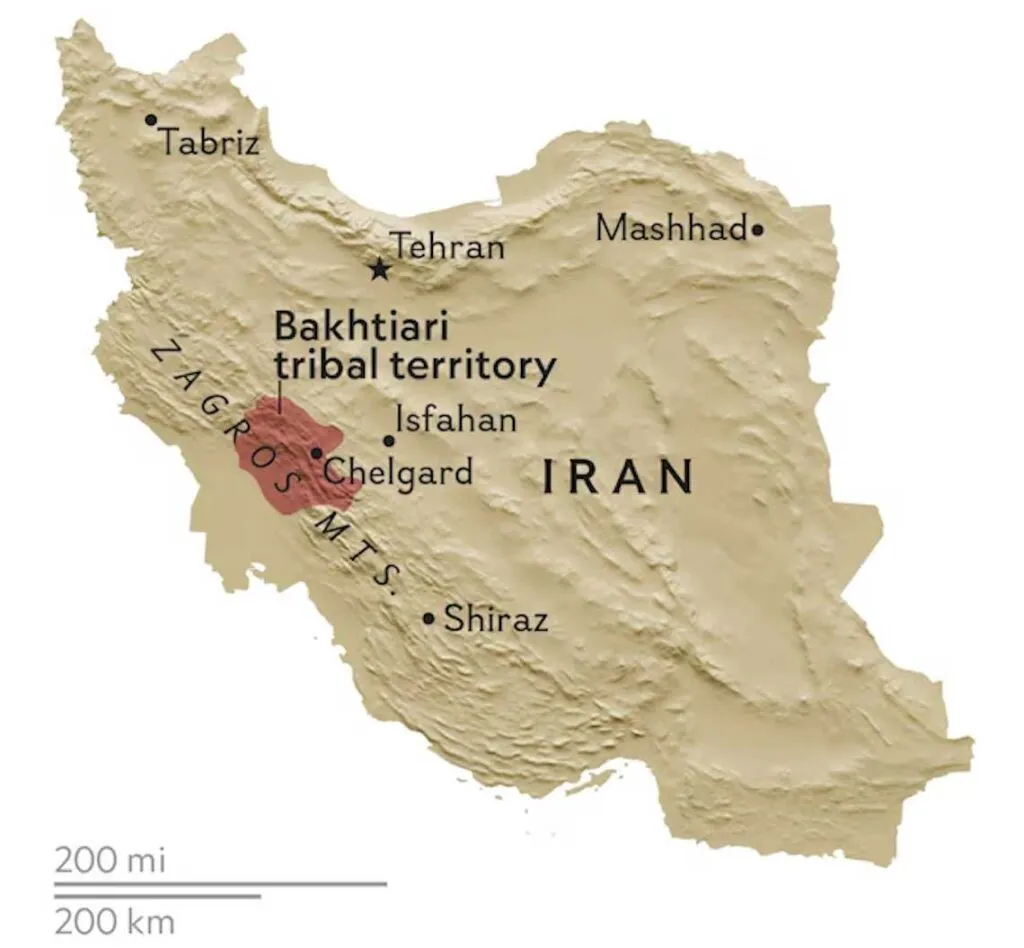
Nestled in the southwestern mountains of Iran, the Bakhtiari people are renowned for their fiercely independent spirit, their nomadic traditions, and, perhaps most notably, their incredible hand-knotted rugs. Bakhtiari rugs are more than just floor coverings; they are vibrant narratives woven into wool, each knot a testament to generations of artistic skill, cultural heritage, and the rugged beauty of their homeland.
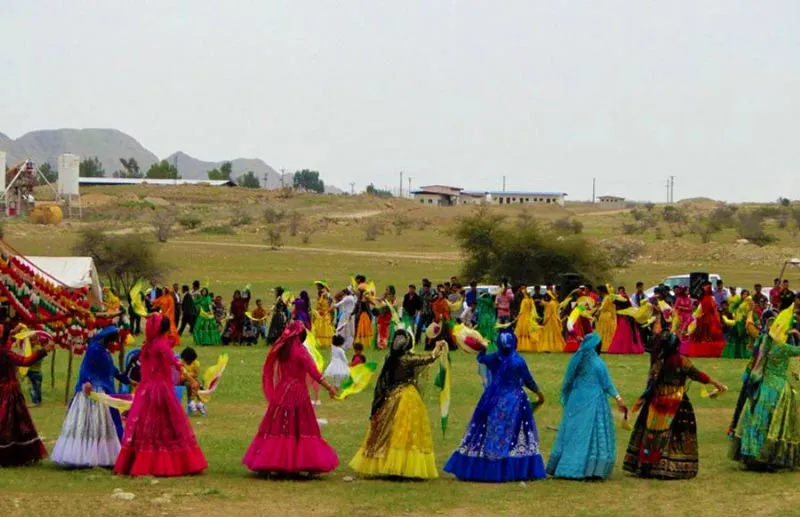
A Glimpse into Bakhtiari Culture:
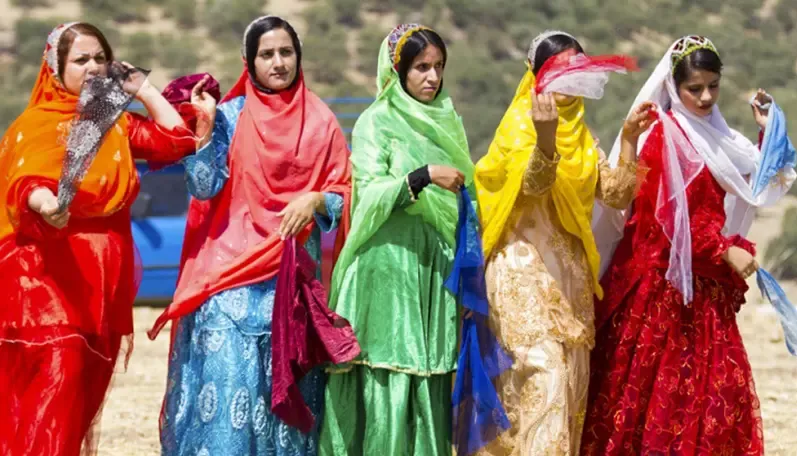
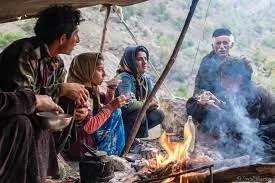
The Bakhtiari are one of Iran’s largest nomadic tribes, with a history stretching back millennia. Their lives have long been intrinsically linked to their flocks, moving between summer pastures in the Zagros Mountains and winter grazing grounds in the plains of Khuzestan. This nomadic lifestyle profoundly influences their rug weaving, with designs often reflecting the natural world around them, their daily lives, and deeply held beliefs.
Distinctive Characteristics of Bakhtiari Rugs:
While there’s a wonderful diversity within Bakhtiari rug production, several key characteristics often distinguish them:
Materials: Traditionally, Bakhtiari rugs are crafted from high-quality, durable wool, often sourced from their own flocks. This wool is known for its luster and ability to hold vibrant dyes. Cotton is frequently used for the warp and weft, providing strength and stability.
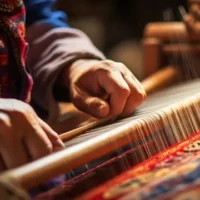
Knotting: Bakhtiari weavers predominantly use the Persian (asymmetrical) knot, leading to a tighter, more intricate pile and allowing for highly detailed patterns.
Color Palette: Bakhtiari rugs are celebrated for their rich and often bold color palettes. Deep reds, indigos, navy blues, and forest greens are common, often interspersed with touches of ivory, gold, and earthy browns. These colors are traditionally derived from natural dyes, contributing to their enduring vibrancy.
Designs and Motifs: This is where Bakhtiari rugs truly shine. While some might feature all-over floral or medallion designs, many are instantly recognizable by their “garden” or “khesti” (tile) patterns. These designs divide the rug into numerous squares or rectangles, each containing a distinct motif such as a tree of life, a cypress tree, a bird, an animal, or a floral spray. This compartmentalized design is thought to represent the enclosed gardens so cherished in Persian culture. Other common motifs include:
“Tree of Life”: Symbolizing growth, immortality, and a connection between heaven and earth.
Geometric Shapes: Reflecting the nomadic origins and often incorporating tribal symbols.
Animals and Birds: Depicting the wildlife encountered in their natural environment.
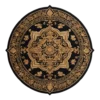
Medallions: Central focal points, sometimes geometric, sometimes more curvilinear.
Durability: Thanks to their robust construction and high-quality materials, Bakhtiari rugs are known for their exceptional durability, often lasting for generations and becoming cherished family heirlooms.
Collecting Bakhtiari Rugs Today:
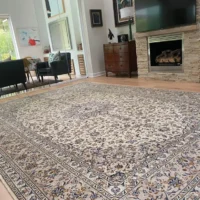
Whether you’re a seasoned rug collector or simply looking for a piece of authentic artistry for your home, a Bakhtiari rug makes a compelling choice. Their timeless designs and rich history ensure they complement a wide range of interior styles, from traditional to contemporary. When purchasing a Bakhtiari rug, consider:
Age and Condition: Older rugs may have a unique patina and history.
Knot Density: Higher knot density generally indicates finer detail and greater durability.
Dye Quality: Natural dyes tend to age more gracefully and have a depth of color that synthetic dyes often lack.
Provenance: Understanding the origin and history of the rug can add to its value and appeal.
In essence, a Bakhtiari rug is more than just a decorative item; it’s a piece of woven history, a testament to the skill and artistry of the Bakhtiari people, and a beautiful addition to any space. Owning one is like inviting a piece of Persian tribal heritage into your home, a story told in every vibrant thread.