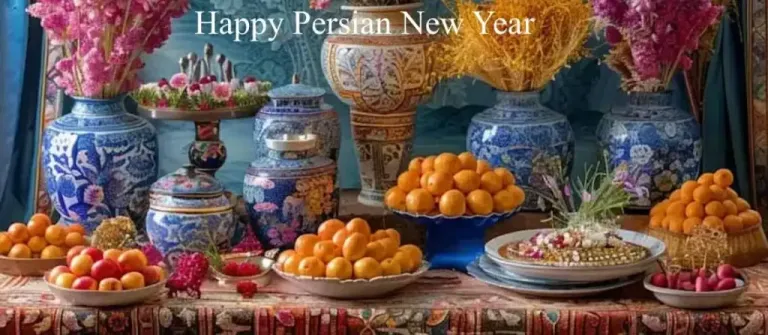
Happy Persian New year.
Nowruz, also known as Persian New Year, With roots going back to at least 3,000 years, Nowruz is one of the oldest festivals that is still marked by humans.
March 20 is the first day of spring. But for 300 million people around the world, it’s the beginning of a new year, too. Nowruz—which means “new day”—is a holiday marking the arrival of spring and the first day of the year in Iran, whose solar calendar begins with the vernal equinox.
Nowruz has been celebrated in Iran and the Persian diaspora for more than 3,000 years. Its roots are as a feast day in Zoroastrianism, a religion practiced in ancient Persia that viewed the arrival of spring as a victory over darkness. The holiday survived the Islamic conquest of Persia in the seventh century and the decline of Zoroastrianism’s popularity, and it spread across the globe through the diaspora of Persian people throughout history.
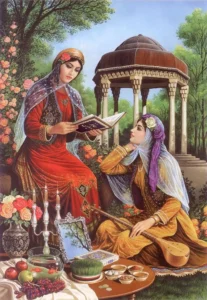
The event is a springtime celebration whose activities symbolise rebirth and the link between humans and nature. The Iranian poet Saadi (1210-1291) wrote: “Awaken, the morning Nowruz breeze is showering the garden with flowers.”
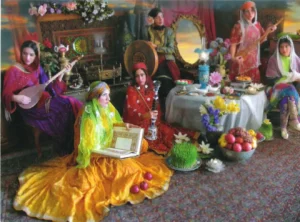
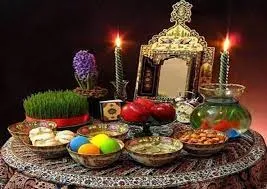
While the two-week celebrations centre on seeing relatives, picnicking, travelling, and eating traditional food, Nowruz itself – which is Farsi for New Day – is steeped in ancient myths and fiction, as well as traditions and symbols.