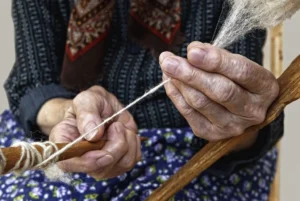
How wool on cotton rugs are made!
Wool on cotton rugs are made using a weaving technique that combines wool fibers for the pile (the top fuzzy part of the rug) and cotton threads for the foundation…
Wool on cotton rugs are made using a weaving technique that combines wool fibers for the pile (the top fuzzy part of the rug) and cotton threads for the foundation…
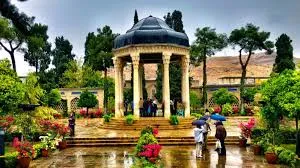
Shiraz rug story Shiraz, a city steeped in history and renowned for its poetry, gardens, and exquisite wines, also boasts a rich tradition of rug weaving. These carpets, known as…
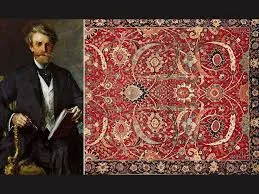
The Clark Sickle-Leaf Carpet is the most expensive Persian carpet ever sold, fetching $33.7 million at a 2013 Sotheby's auction, far surpassing its $10 million estimate. Its value stems from its 17th-century rarity, unique sickle-leaf design, and historical significance, representing the legacy of Persian rug craftsmanship and artistry.
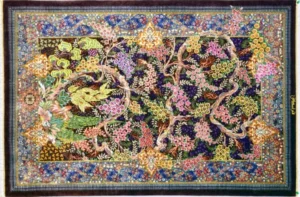
Qum rugs, originating from Qum, Iran, boast a rich history dating back to the 16th century. Initially wool-centric, silk production thrived under the Safavid dynasty, resulting in exquisite designs and high knot density. Valued for their luxurious materials and vibrant colors, these rugs symbolize Persian craftsmanship and cultural heritage, making them cherished heirlooms.

Don't disrespect grandma… Don't buy a skunk-butt rug... Get a Premium Persian Carpets https://youtu.be/Xu6qlqrOkqU

Persian rugs are expensive due to their hand-knotting artistry, heritage weaving techniques, high-quality natural materials, and intricate designs with deep symbolism. These rugs are luxurious, durable, collectible, and appreciate over time, representing valuable investments in aesthetics and cultural heritage. Tips for buying include research, budgeting, ensuring seller authenticity, and matching home decor.