Persian Carpet Mashad: A Tale of Elegance and Heritage
Persian carpets are renowned worldwide for their intricate designs, exceptional craftsmanship, and rich history. Among these treasures, the carpets from Mashad stand as a testament to the artistry and cultural heritage of Iran. To truly appreciate the beauty of Mashad carpets, it is essential to delve into the history of Mashad city and its spiritual significance, particularly its connection to Imam Reza.
The Historical Significance of Mashad
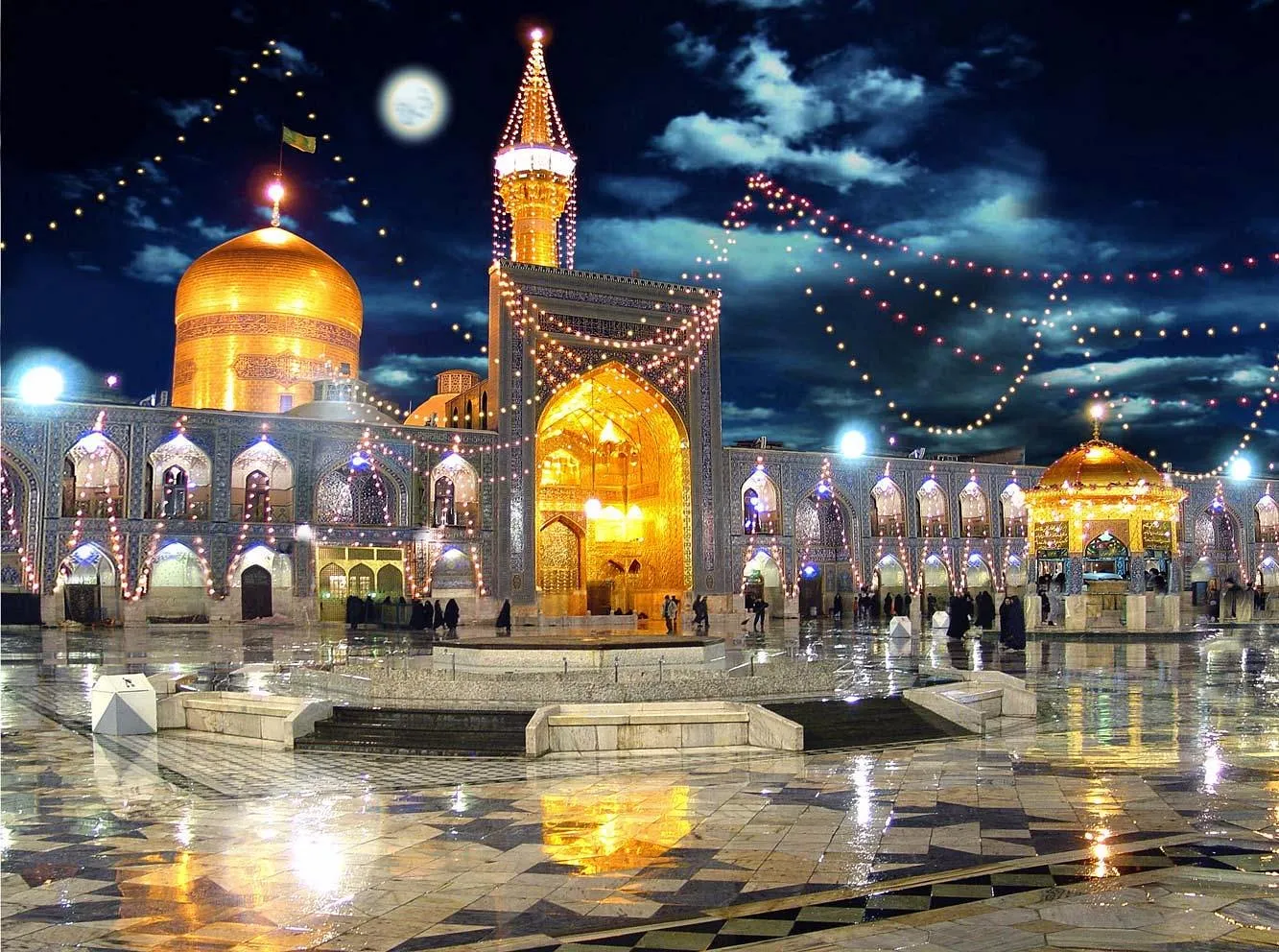
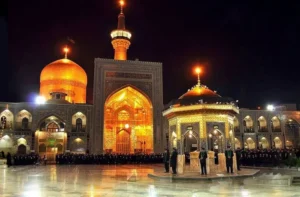
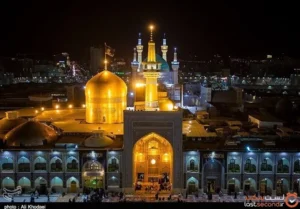
Mashad, located in northeastern Iran, is one of the holiest cities in the Islamic world. Its name, which means “place of martyrdom,” reflects its importance as the burial site of Imam Reza, the eighth Shia Imam. The city has long been a center of pilgrimage for millions of Muslims who come to pay their respects at the Imam Reza Shrine. This spiritual and cultural hub has deeply influenced the city’s identity and its artistic traditions.
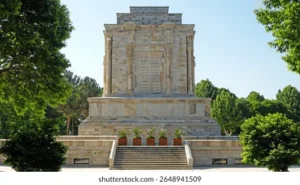
Historically, Mashad has been a crossroads for trade and culture due to its location along the ancient Silk Road. This strategic position allowed the city to flourish as a center for commerce, art, and craftsmanship. Over centuries, Mashad became renowned for producing some of the finest Persian carpets, treasured for their unique designs and exceptional quality.
The Art of Mashad Carpets
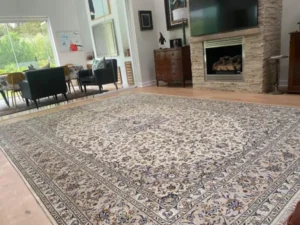
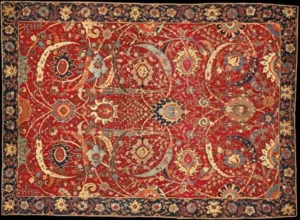
Mashad carpets are celebrated for their meticulous craftsmanship and refined aesthetics. They are typically handwoven using high-quality wool, often with a dense pile that gives them a luxurious texture. The weavers in Mashad are known for their skill in creating intricate patterns that often feature floral motifs, medallions, arabesques, and elaborate borders.
The colors used in Mashad carpets are typically deep and rich, with shades of red, blue, ivory, and beige dominating the palette. Natural dyes derived from plants and minerals create these vibrant hues, ensuring that the carpets maintain their beauty for generations.
One of the distinguishing features of Mashad carpets is their symmetry and harmony. The designs often reflect the cultural and spiritual influences of the region, with motifs inspired by Islamic art and architecture. The meticulous attention to detail in each carpet speaks to the dedication and artistry of the weavers who create them.
The Influence of Imam Reza
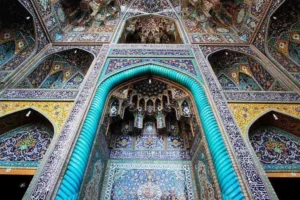
The presence of the Imam Reza Shrine in Mashad has had a profound impact on the city’s cultural and artistic traditions. The shrine itself is an architectural masterpiece, adorned with intricate tilework, calligraphy, and elaborate decorations that have inspired generations of artisans. The spiritual significance of Imam Reza’s resting place has also imbued the city’s art forms, including carpet weaving, with a sense of reverence and devotion.
Many Mashad carpets feature designs that pay homage to Islamic art and spirituality. The medallion patterns often resemble the domes of mosques or the intricate geometric layouts found in sacred spaces. These carpets are not just decorative pieces but also symbols of cultural identity and spiritual connection.
Conclusion
Mashad carpets are more than just beautiful works of art; they are a reflection of the city’s rich history, cultural heritage, and spiritual significance. Rooted in centuries-old traditions and inspired by the beauty of Islamic art, these carpets continue to captivate admirers around the world.
Whether you are a collector or simply an admirer of fine craftsmanship, owning a Mashad carpet is like owning a piece of history—a tangible connection to the artistry and devotion that define this remarkable city.